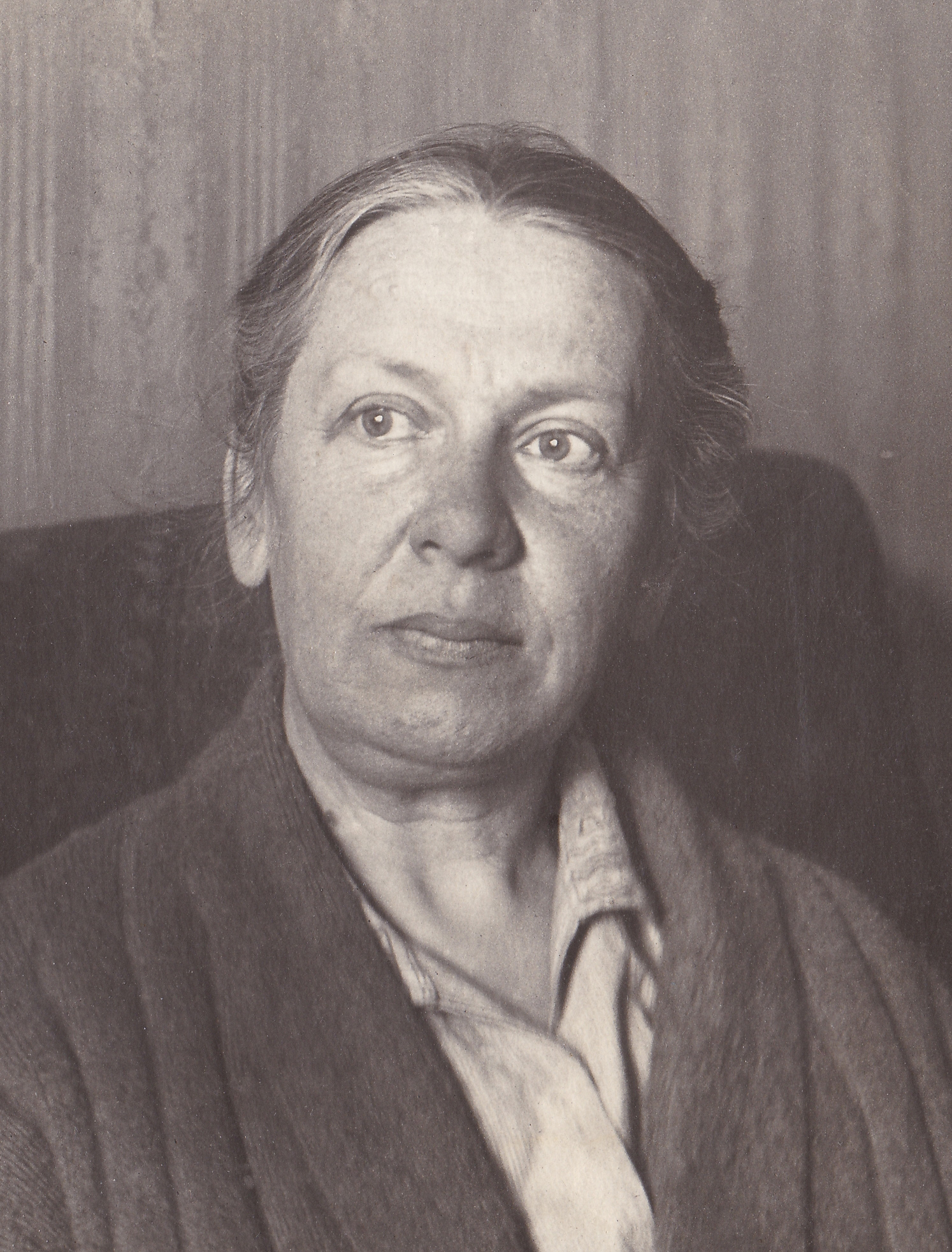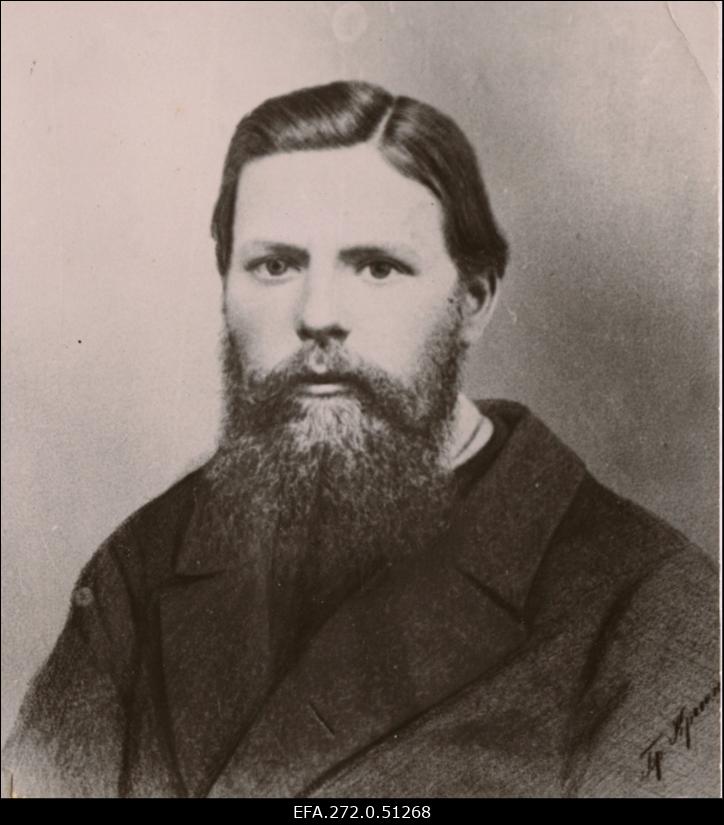
Joann Poska
15.07.1835 Tuhalaane -13.071882 Laiuse
Juhan’s father, Oriku Jaas, received the surname Porska during the period when family names were being assigned (1823–1826). This may have derived from the Russian word “porsok”, genitive “porska”, meaning “stove opening” or “ash pit.” It is possible that the pejorative connotation of the name influenced its later change to Poska.
Oriku Jaas was an enterprising peasant and a member of the local court. Unfortunately, he was dismissed from this position because he had a habit of drinking and even appearing in court while intoxicated.
Jaas’s first two wives died, and from his third marriage only one child was born, named Juhan – the future statesman Jaan Poska’s father. By the time the child was born, his father Oriku Jaas had already passed away.
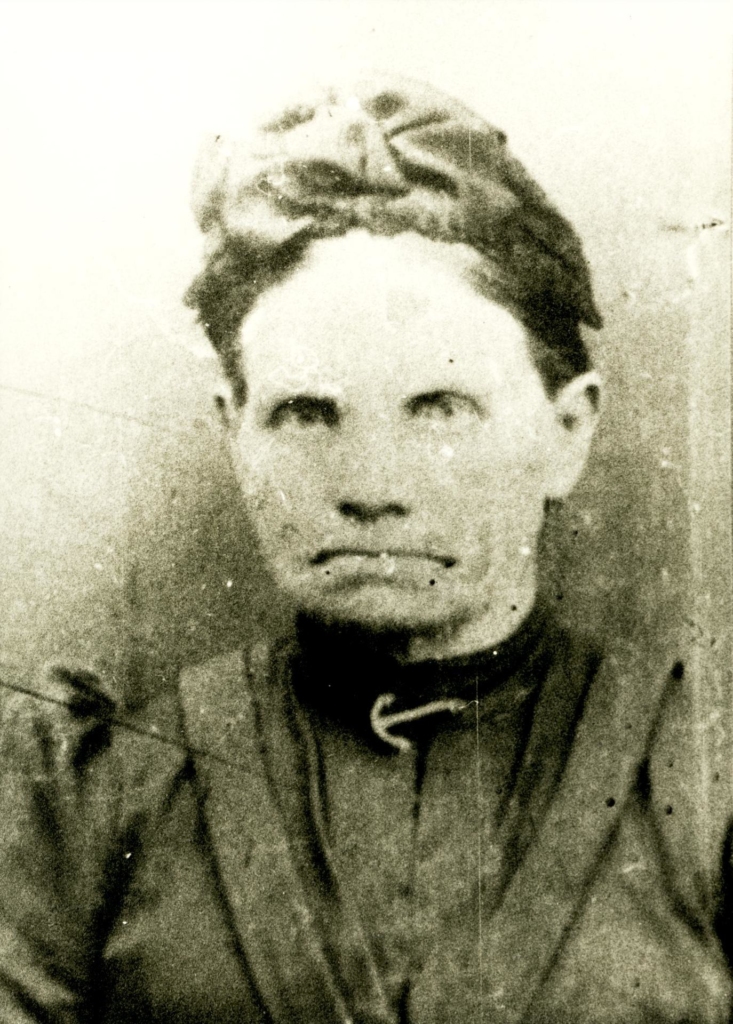
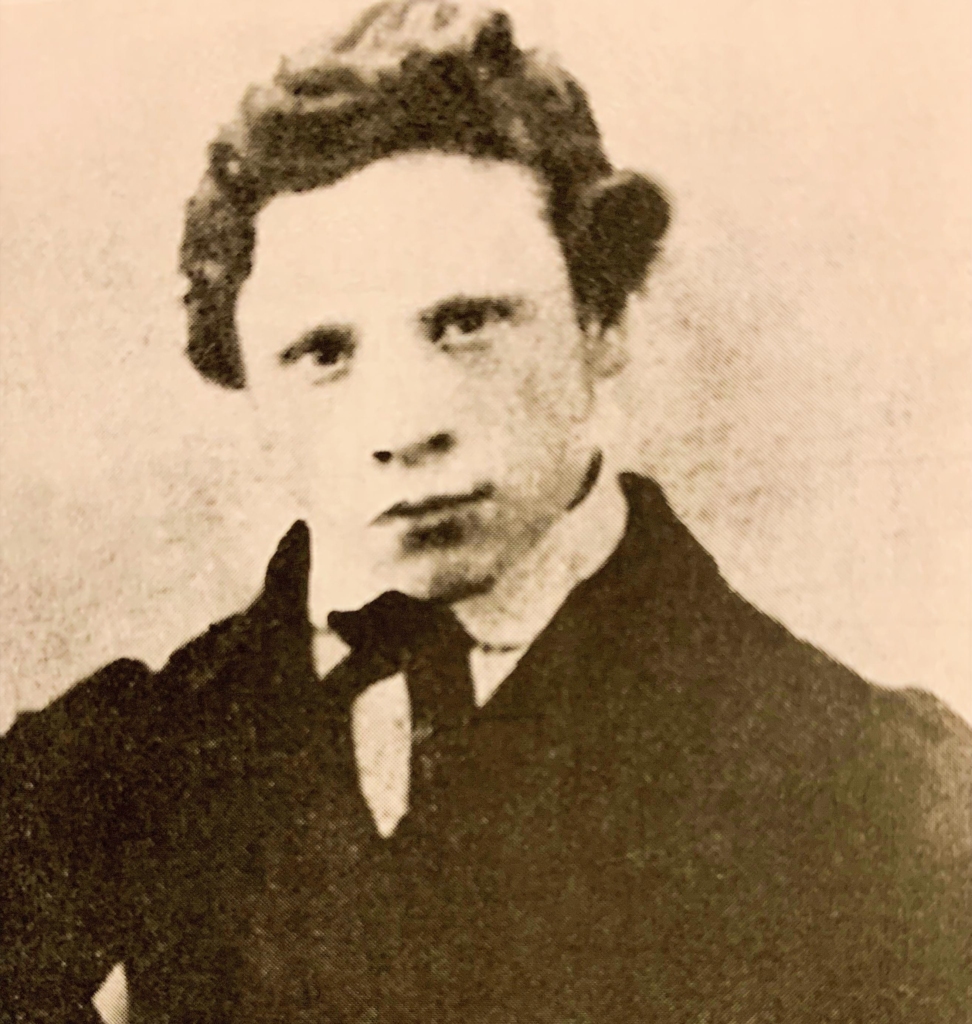
Juhan’s mother, Mari, and stepfather, Jaak, converted to Orthodoxy during the mid-19th century religious conversion movement, as did most Tuhalaane peasants. Although conversion to the Emperor’s faith did not grant land or improve living conditions for the stepfather, it allowed their son, Juhan (Russified as Joann), to attend school at the Tuhalaane Orthodox church.
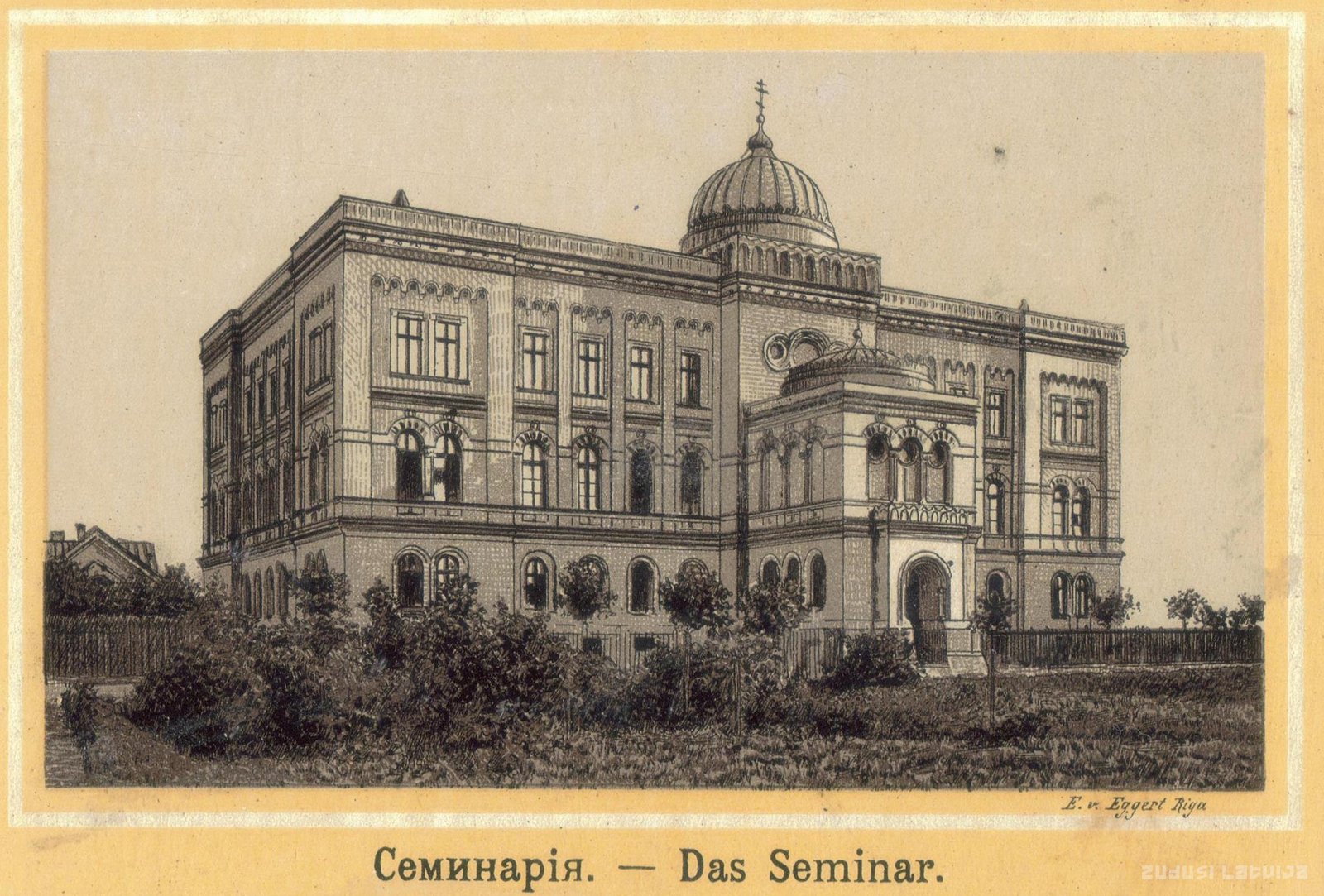
Joann then continued his studies at the clerical school, equivalent to a progymnasium and at the seminary (secondary school) in Riga. He did not complete the seminary, leaving in his second year. As a result, he did not become a priest, but rather a church chorister and sexton. Initially, Joann worked as a sexton-schoolteacher in Tori, then in Priipalu in Valga County, and in 1864 in Laiuse.
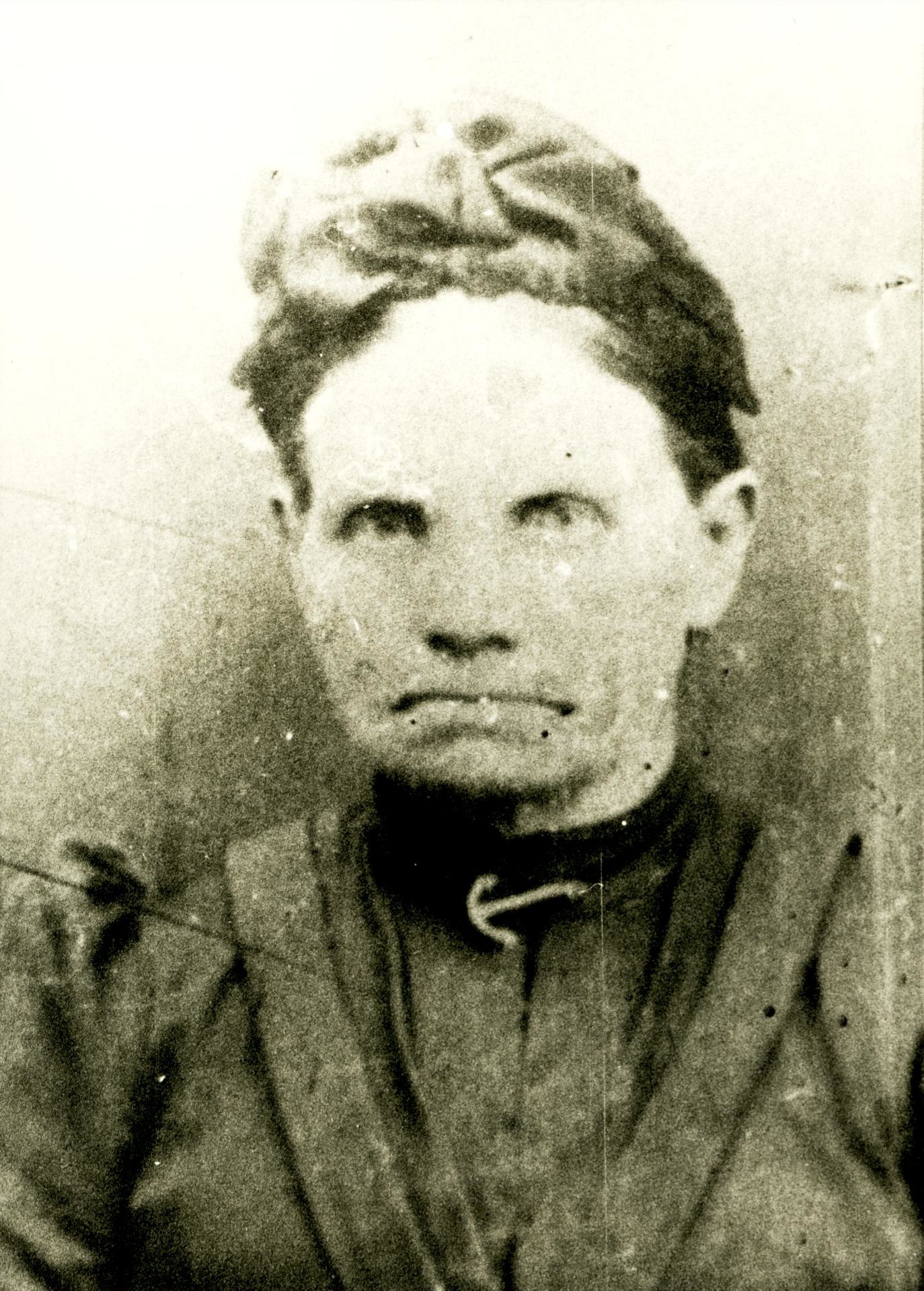
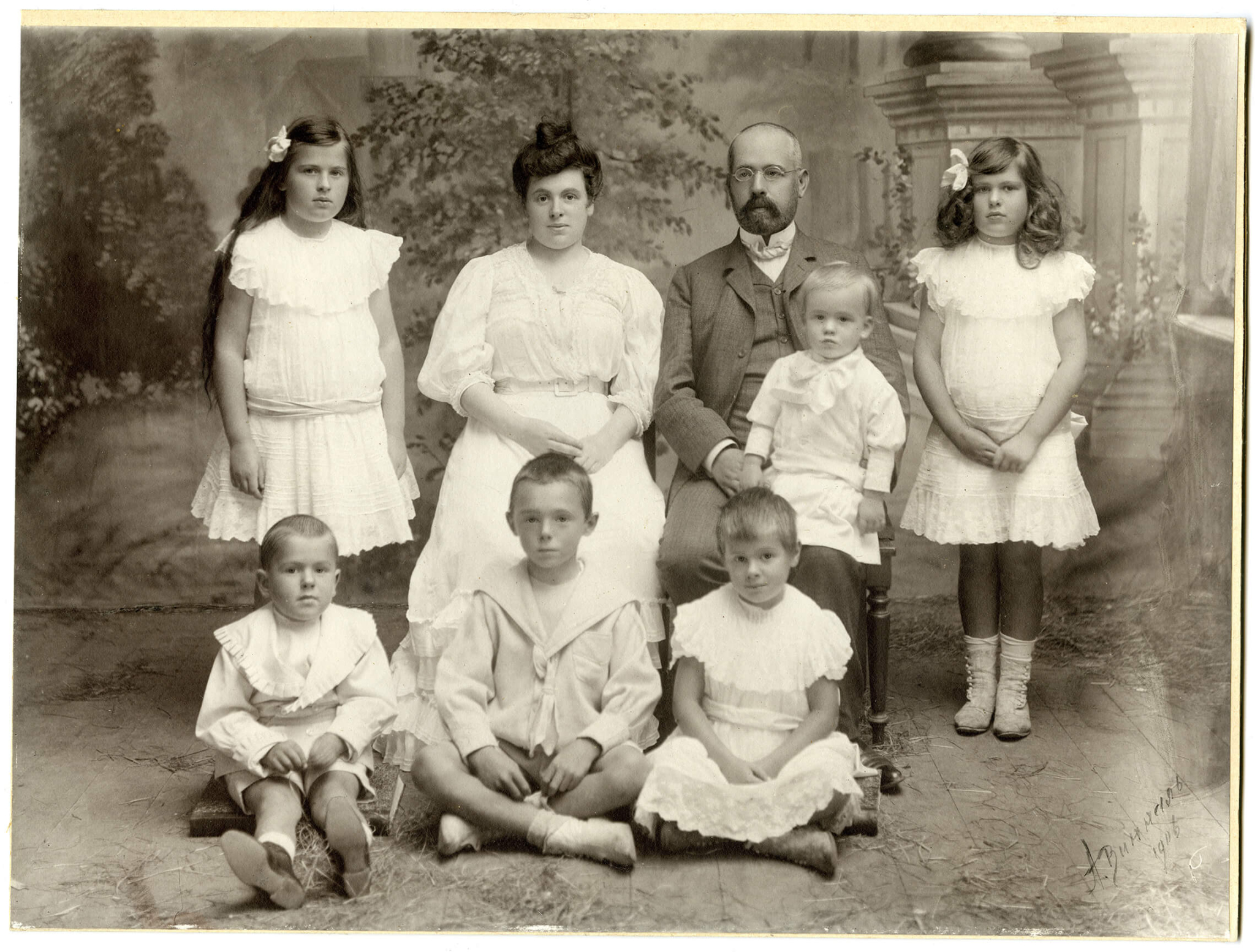
In 1859, Joann Poska married Anna Tikker from Ilmjärve, Otepää. Together they had twelve children. Jaan Poska was the fifth child. Since Anna had been orphaned as a child and grew up in a Russian-speaking Orthodox priest’s family, the home language for both Joann and Anna was Russian.
The sexton’s annual salary of 300 rubles was not insignificant for the time, but for a family of 10 children (two sons died in childhood) it was insufficient. Additional income was earned through farming, with the children helping out.
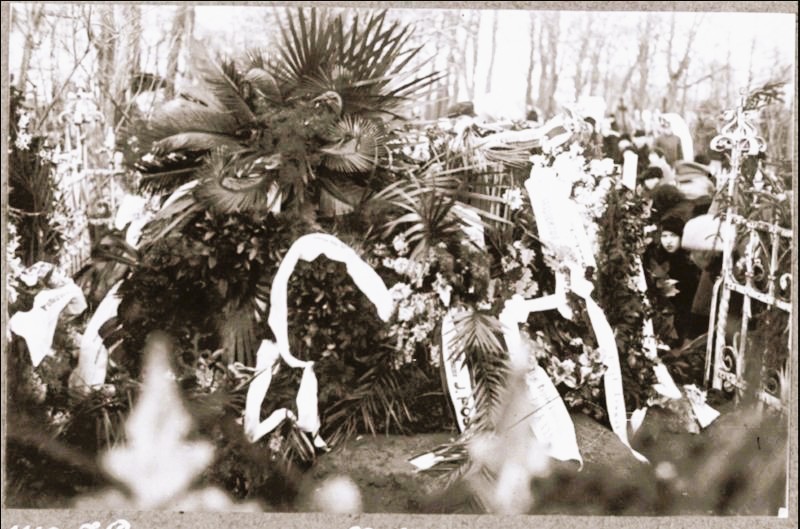
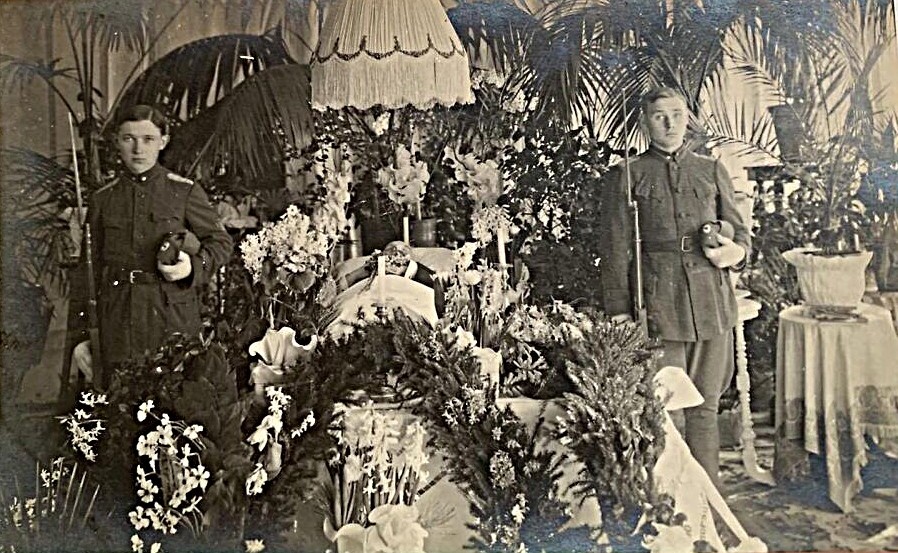
Joann Poska died at the age of 46 in 1882. His son Jaan was only 16 at the time. The care of the mother and younger children fell to the second-oldest son, Mihhail. After Mihhail’s death, the mother moved to Tallinn with her two younger daughters to live with her son Jaan.
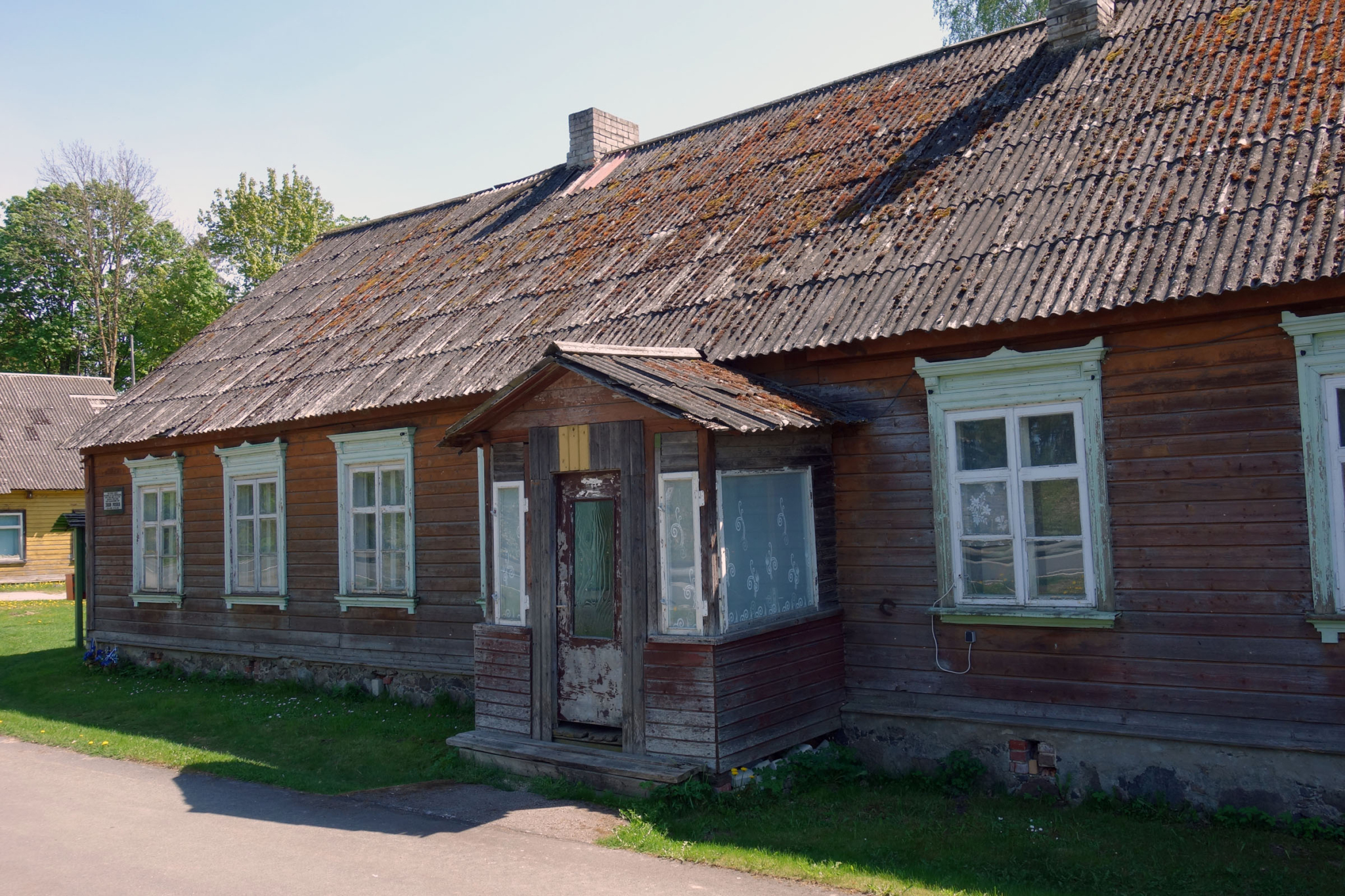
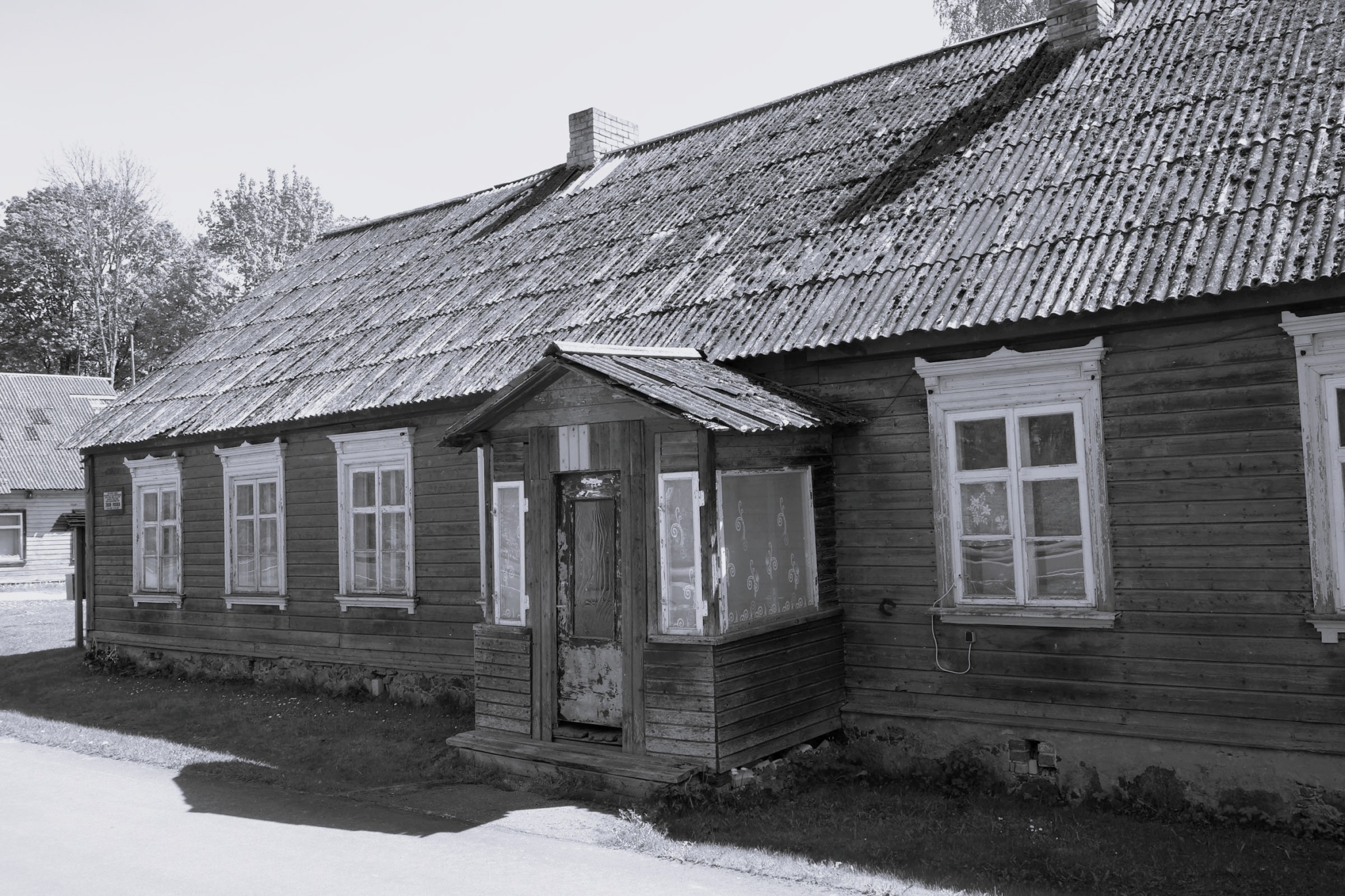
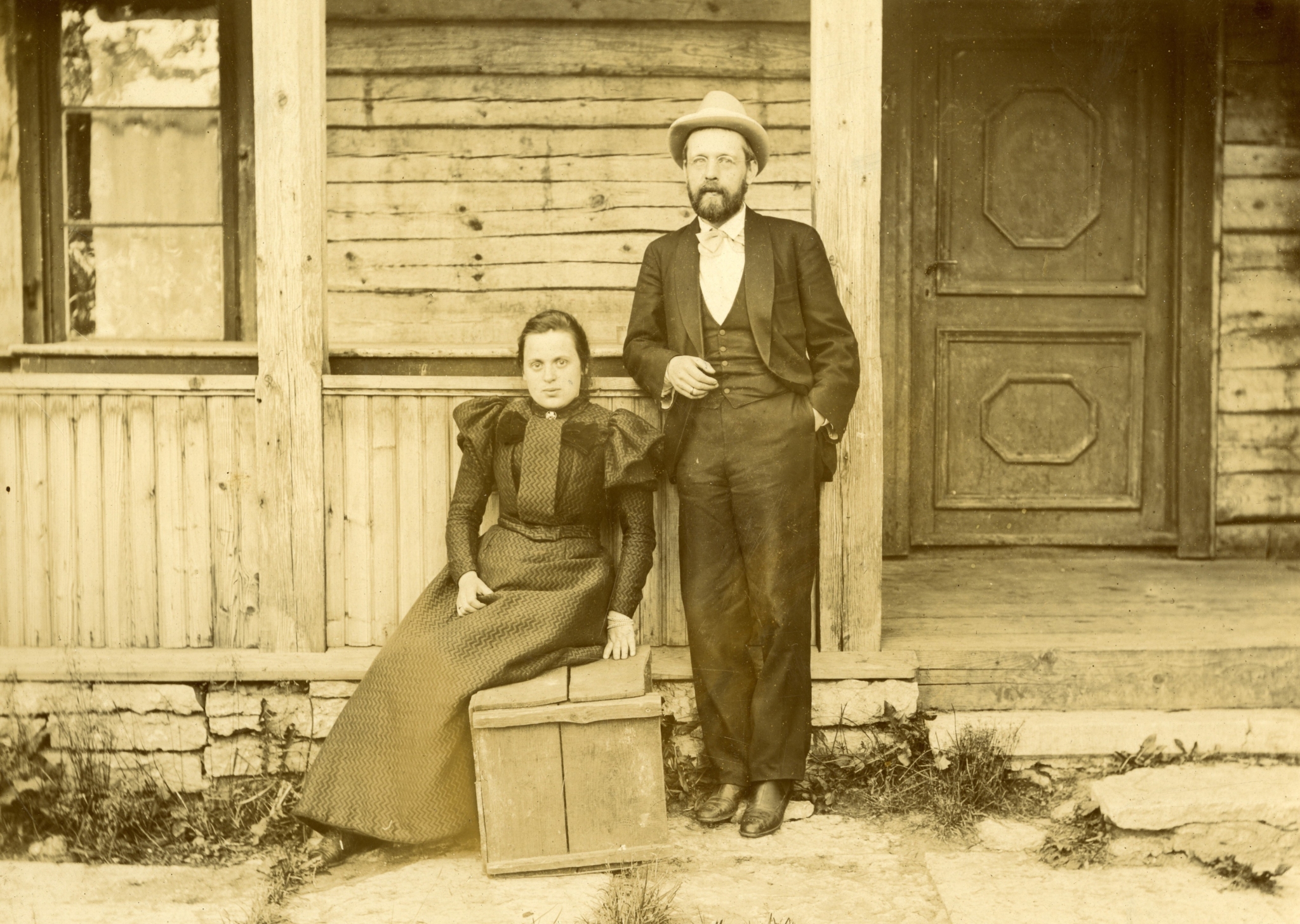
The home of Joann Poska, sexton of Laiuse Orthodox Church, birthplace of Jaan Poska
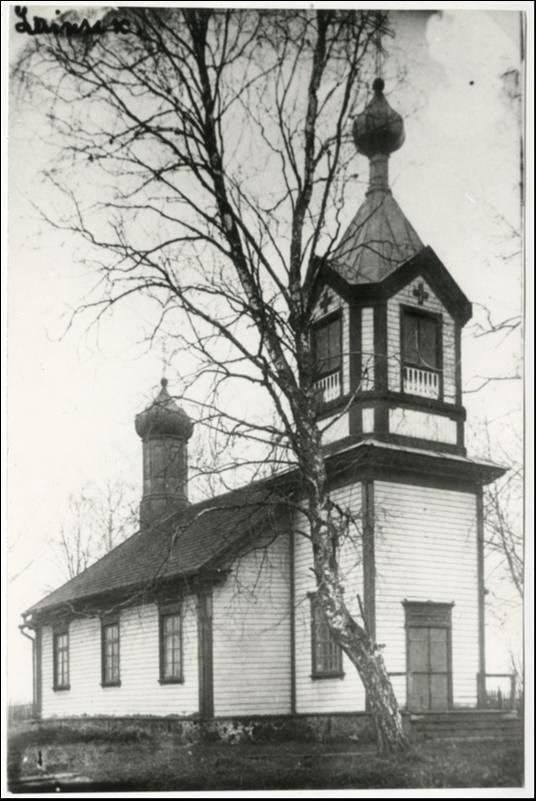
Laiuse orthodox church
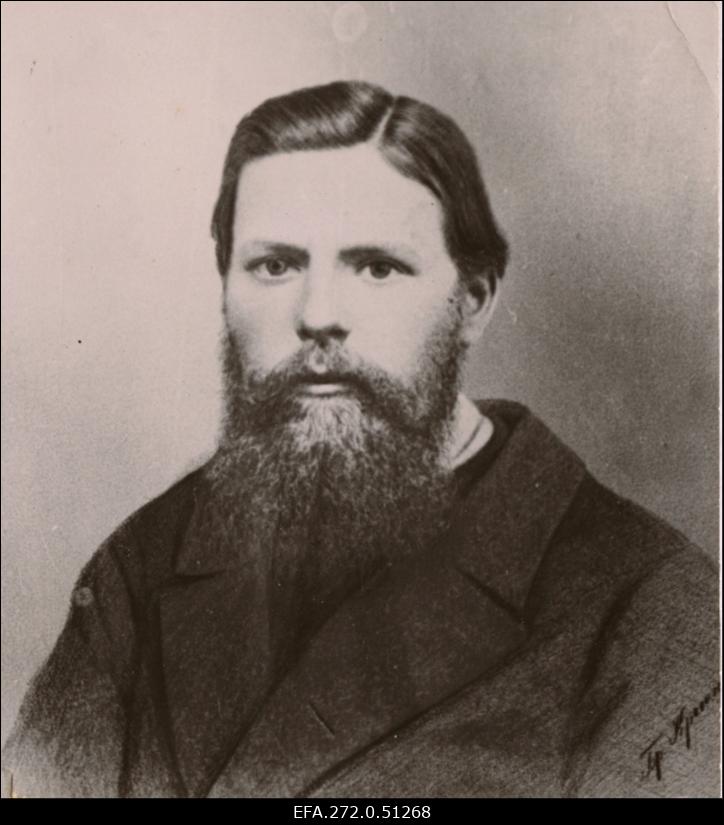
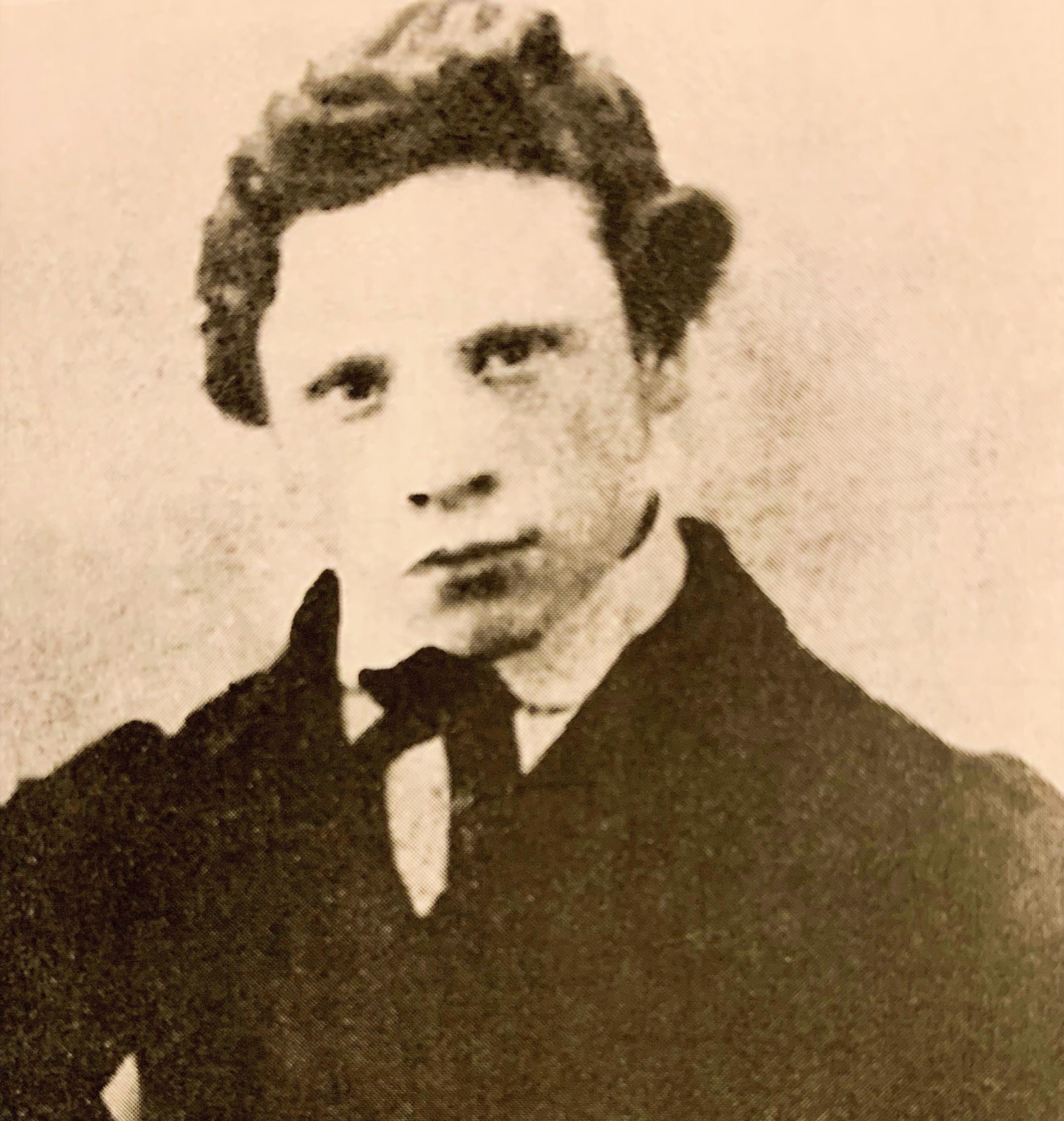
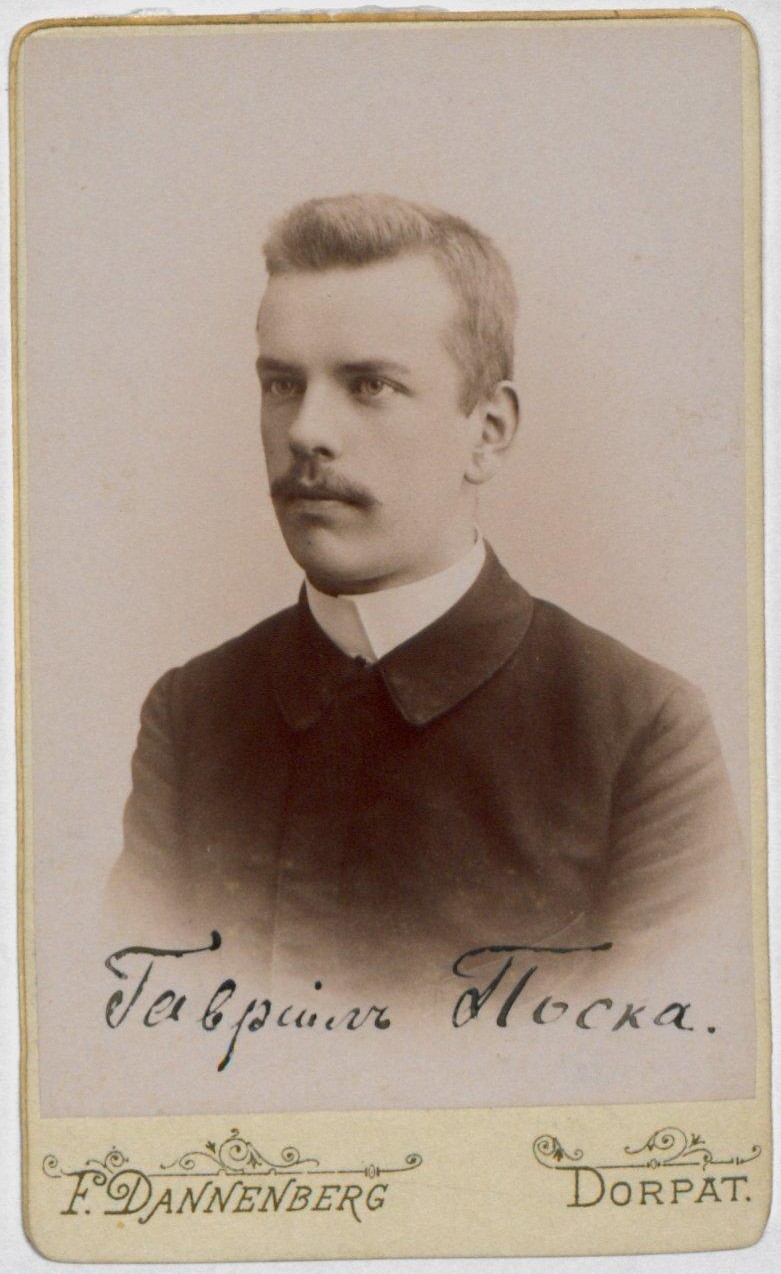
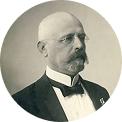
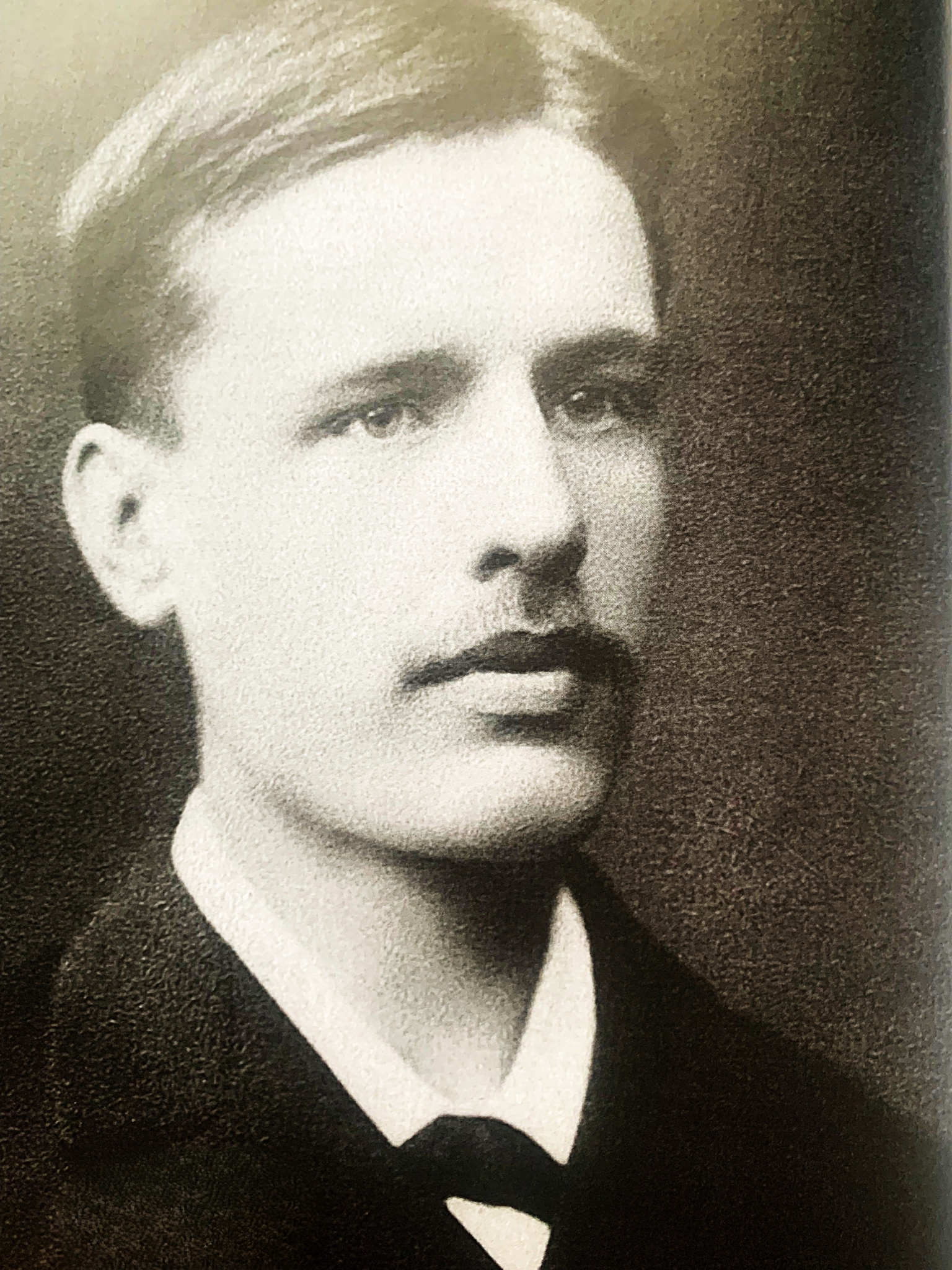
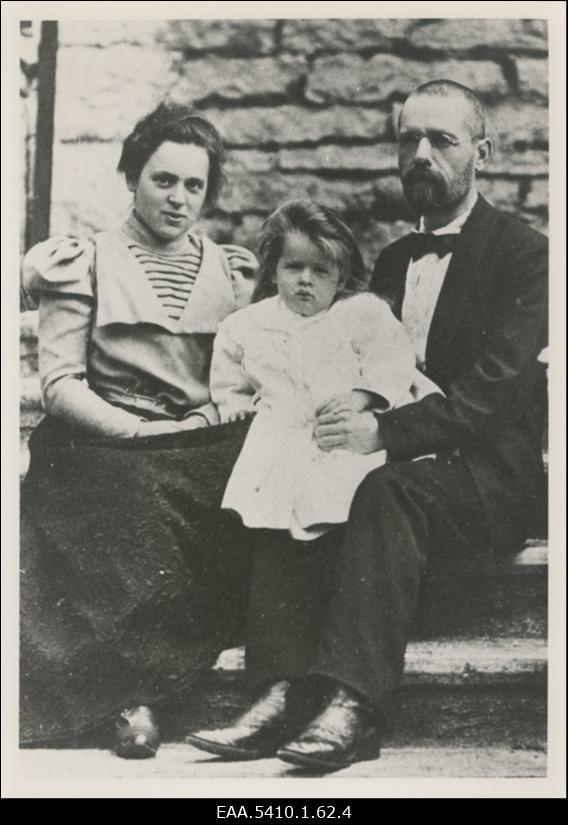
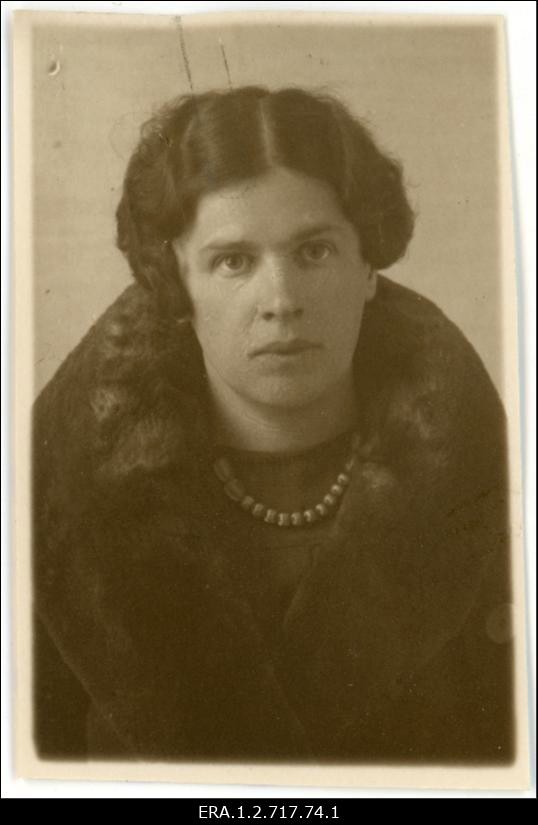
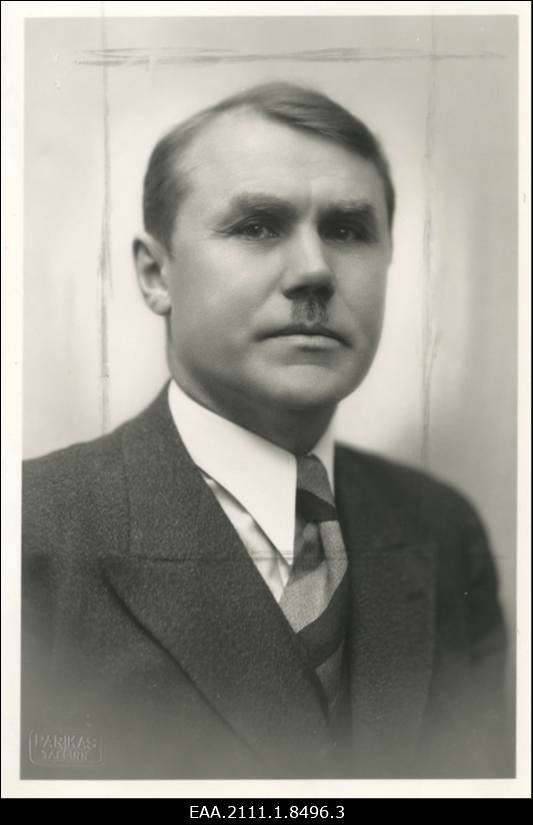
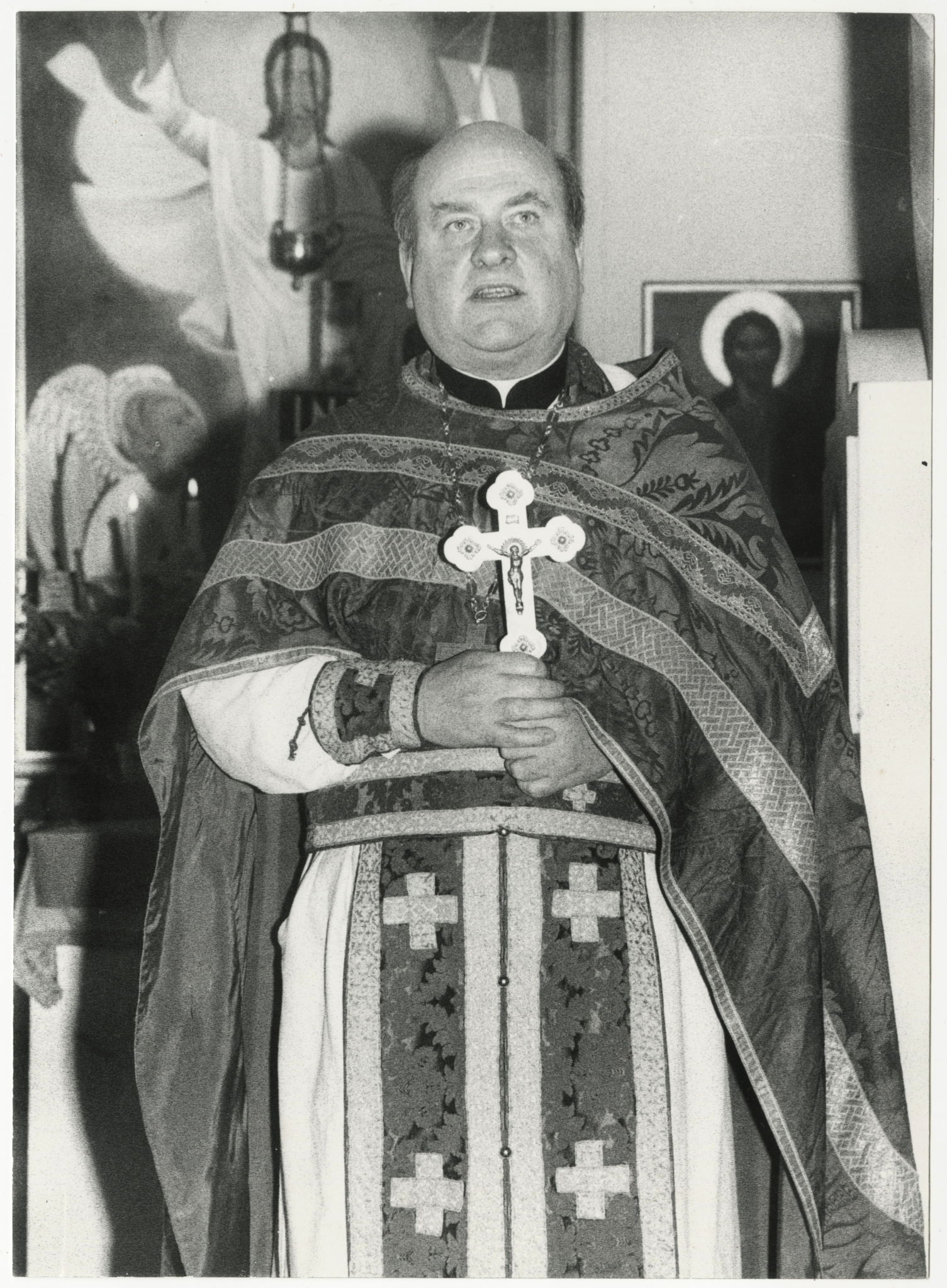
Joann Poska, sexton of Laiuse orthodox church, photo National Archive of Estonia
The home of Joann Poska, sexton of Laiuse Orthodox Church, birthplace of Jaan Poska
Laiuse orthodox church
Joann Poska, sexton of Laiuse orthodox church, photo National Archive of Estonia